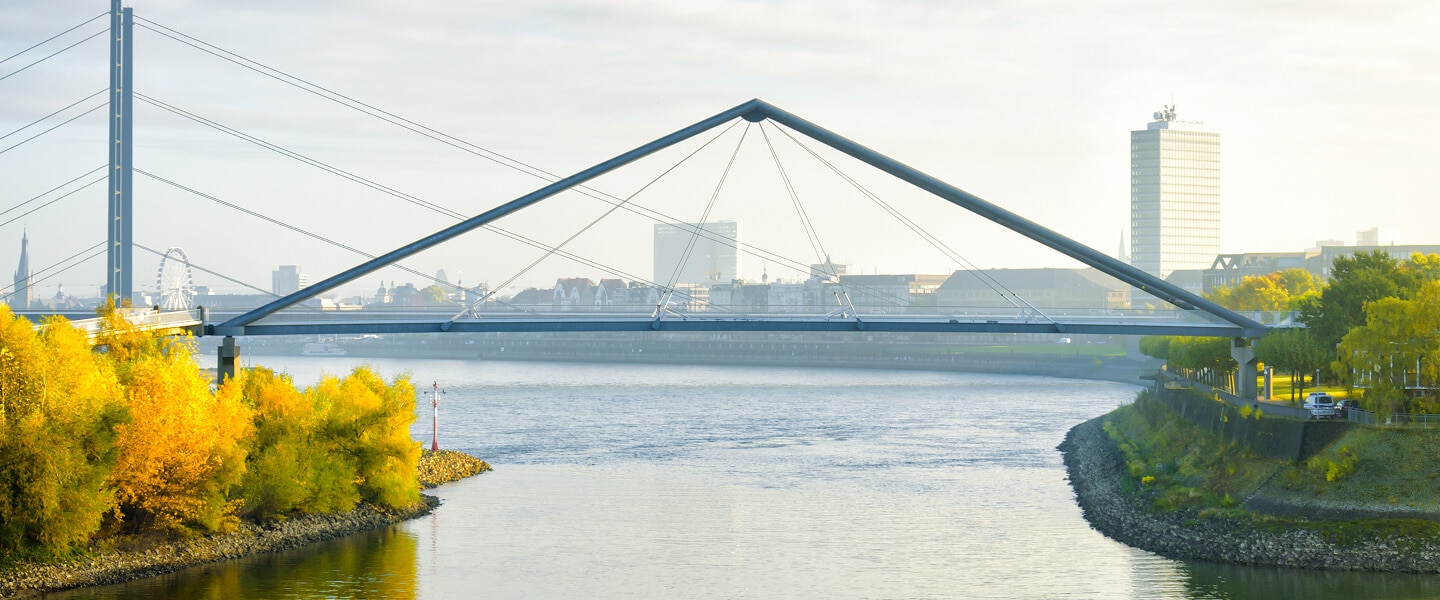
Brücke über den Rhein vor urbaner Kulisse
A family business since 1841

Connections with substance.

Wilh. Werhahn KG Family Business – A name that connects.

For 185 years, Werhahn has stood for the close ties between the entrepreneurial family and the corporate group. As a large family-owned business, we pursue a long-term growth strategy. Our goal is to secure and continuously increase earnings and value over the long term. To this day, Werhahn remains 100 percent family-owned. From its headquarters in Neuss, Wilh. Werhahn KG, together with the management companies of the corporate divisions, steers the Group’s development. Bankhaus Werhahn GmbH is also part of Wilh. Werhahn KG. It serves as a private bank for the family shareholders and the companies within the Group. Ultimate oversight rests with the Supervisory Board.

The Management Board – Leadership with Vision.

The Werhahn Group’s highest governing body is the Management Board, which is based in Neuss.

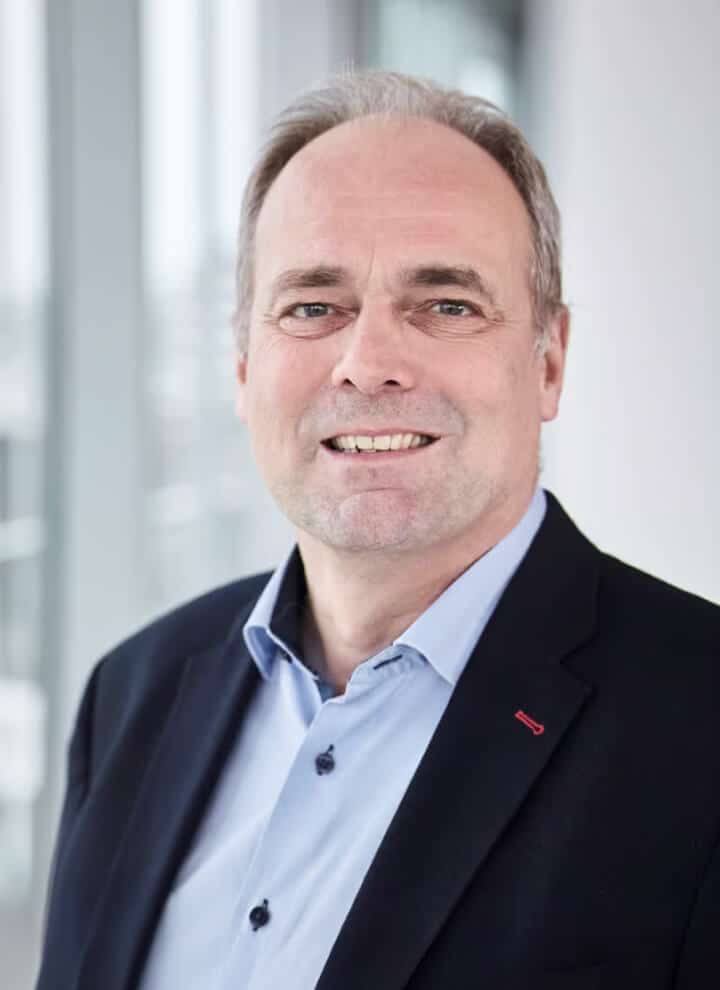
  • Manager in moderner Unternehmensumgebung
    Alexander Boldyreff
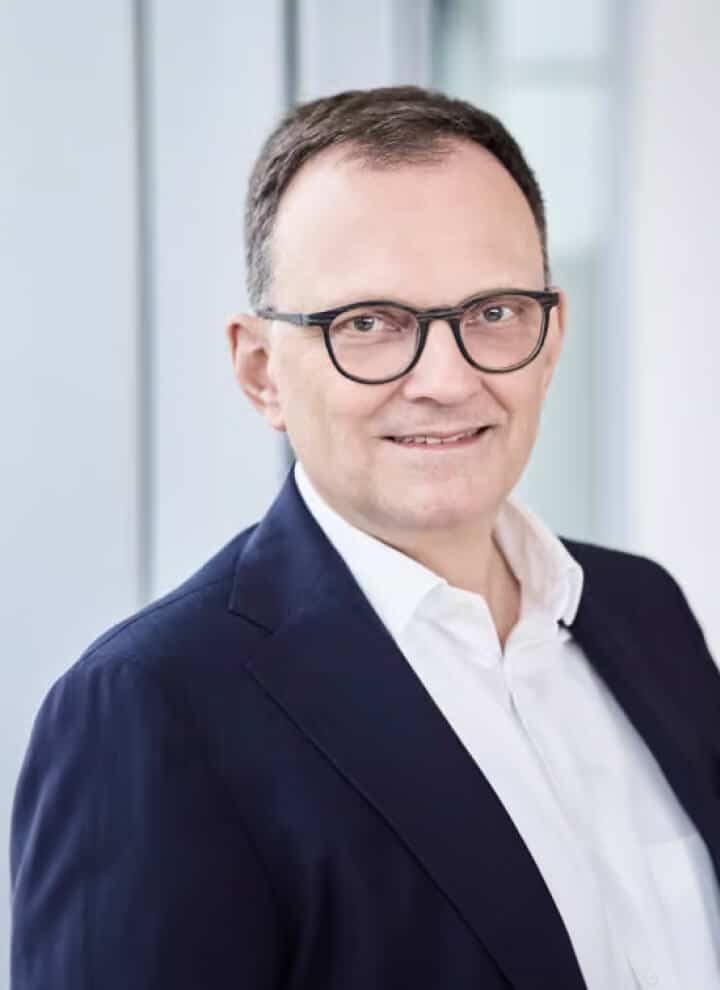
  • Führungskraft der Werhahn Gruppe im Büro
    Andreas König
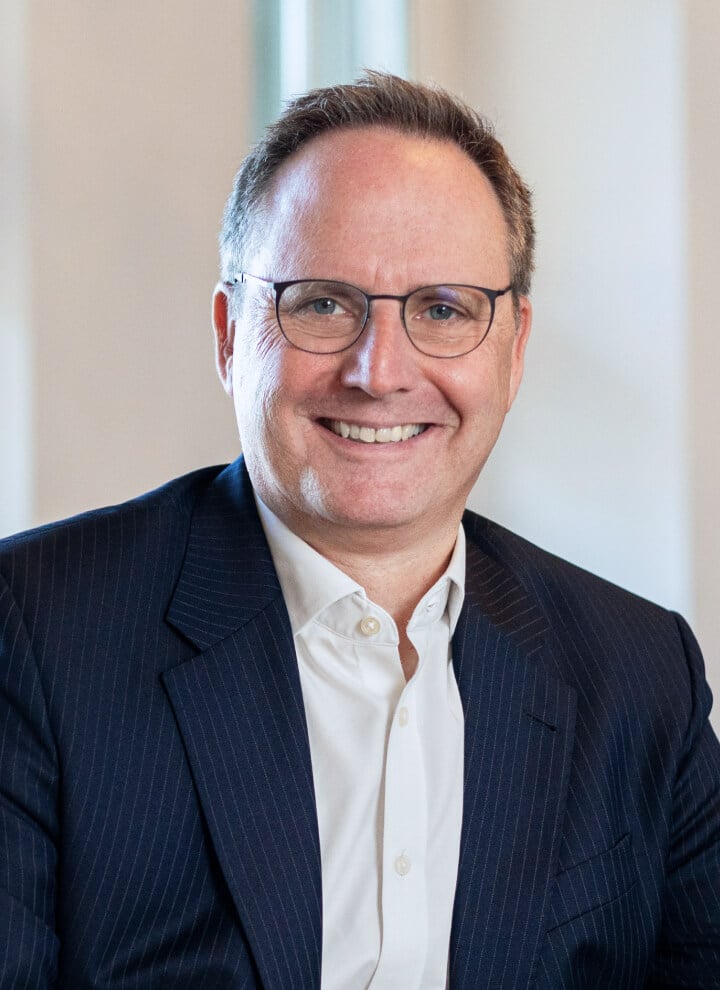
  • Porträt eines Managers in Business-Kleidung
    Dr. Stephan Kranz
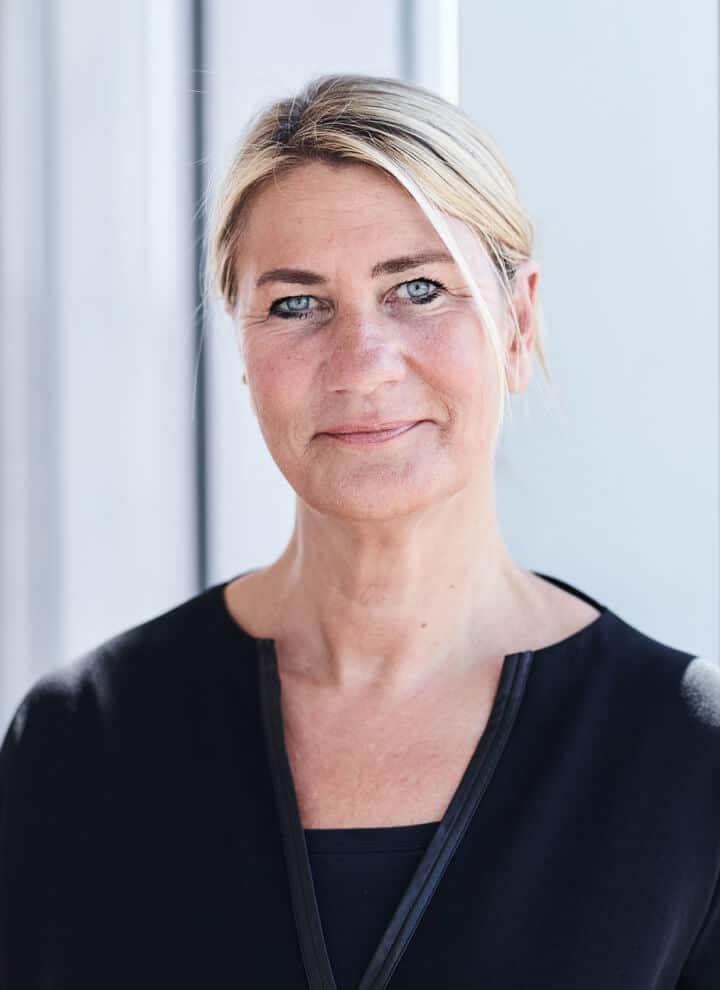
  • Porträt einer Führungskraft der Werhahn Gruppe
    Gerrit Schneider

Fiscal Year 2025

geschaeftsbericht-2025-en
Industrielle Prüfanlage zur Qualitätskontrolle von Materialien
Produktionshalle mit modernen Fertigungsanlagen
Frisches Gemüse und Küchenmesser auf einem Tisch
Hochregallager mit modernen Logistiksystemen
Abstrakte Darstellung digitaler Datenströme und Netzwerke
Digitale Symbole für Dokumentation und Unternehmenssteuerung

Challenging, but successful for the Werhahn Group.

The annual report provides an overview of the Werhahn Group’s diverse business models, its specific markets, and its financial performance.

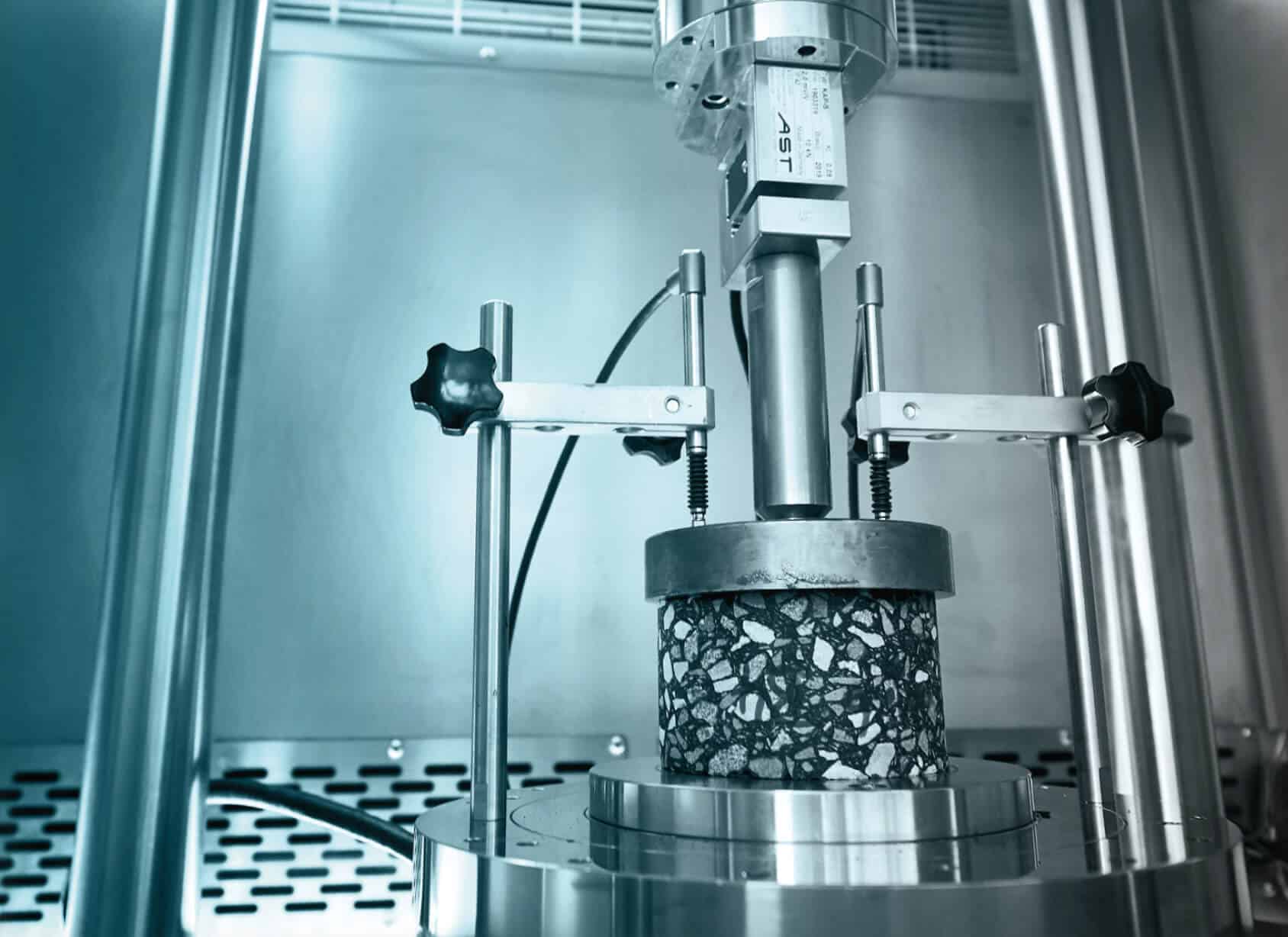
One database—one commitment to quality.

As part of its overarching digital strategy, the Natural Stone Division is also streamlining building materials testing.

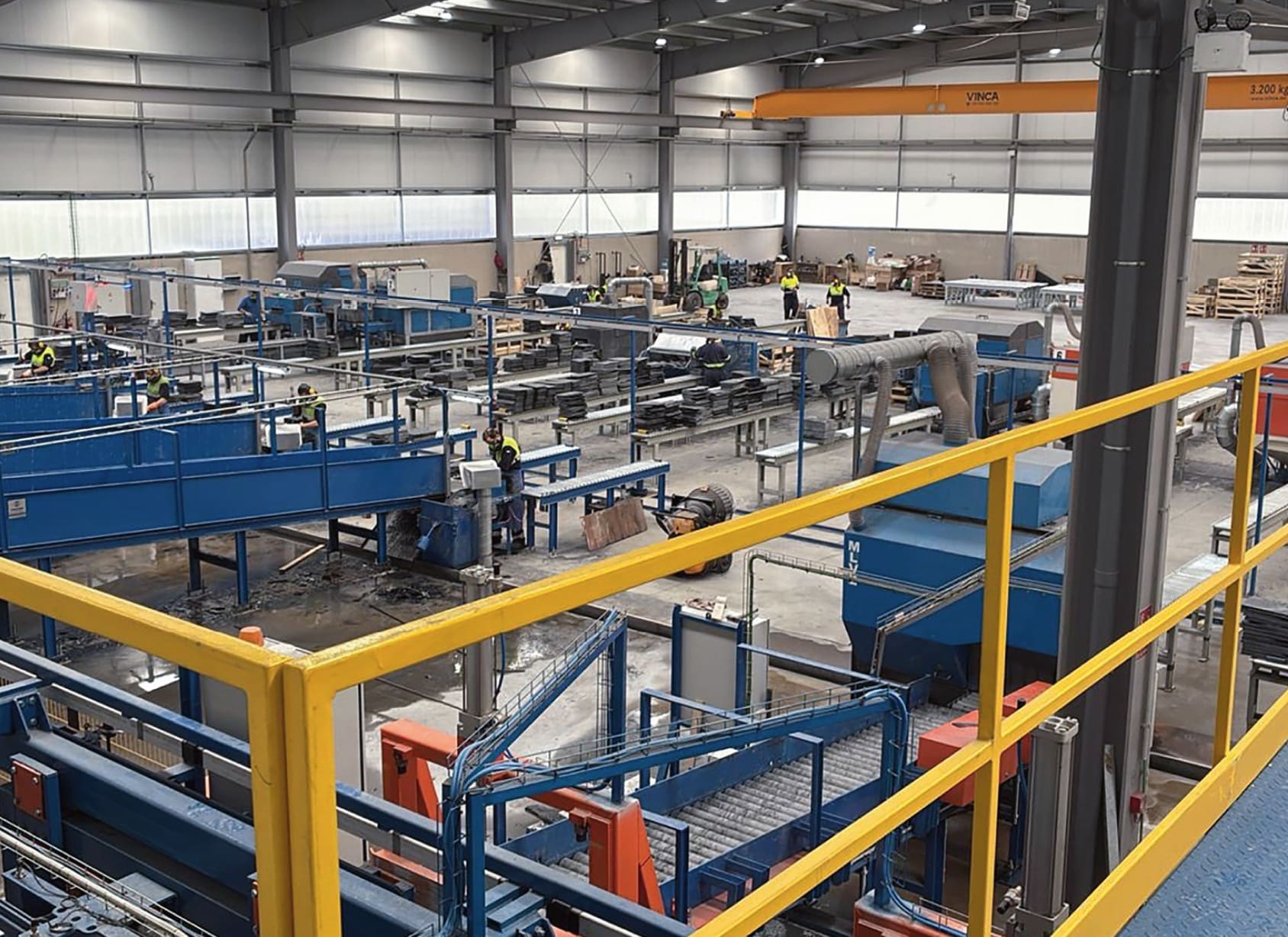
Where size and variety matter.

Greater productivity, greater flexibility: The Slate Division has optimized all processes for efficiency at its La Ponderosa production site in Spain.

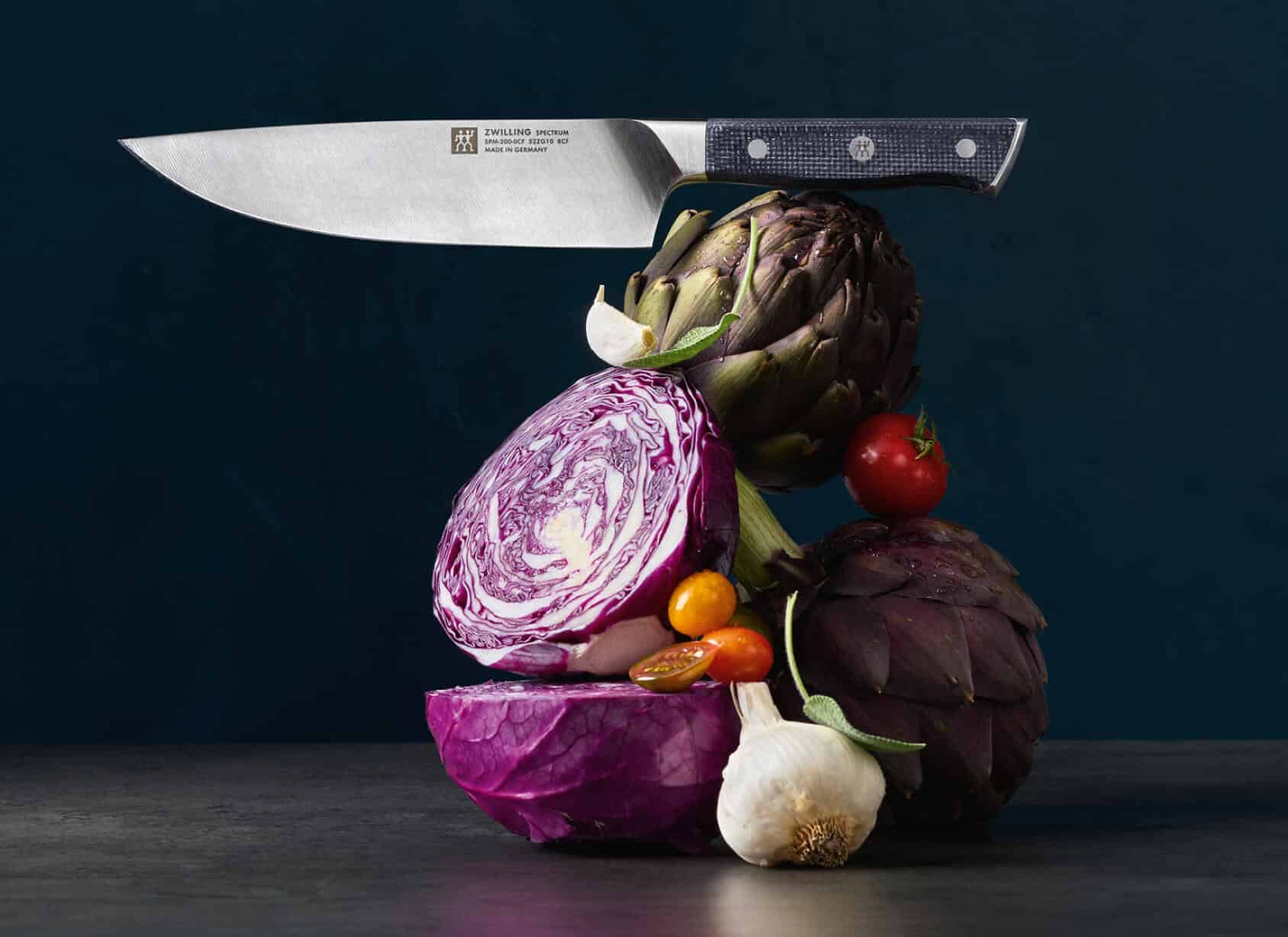
Sharper. Clearer. Stronger.

As part of a far-reaching strategic process, the Zwilling Küche division is refining its brand identities and product portfolio to consistently position itself for the future.

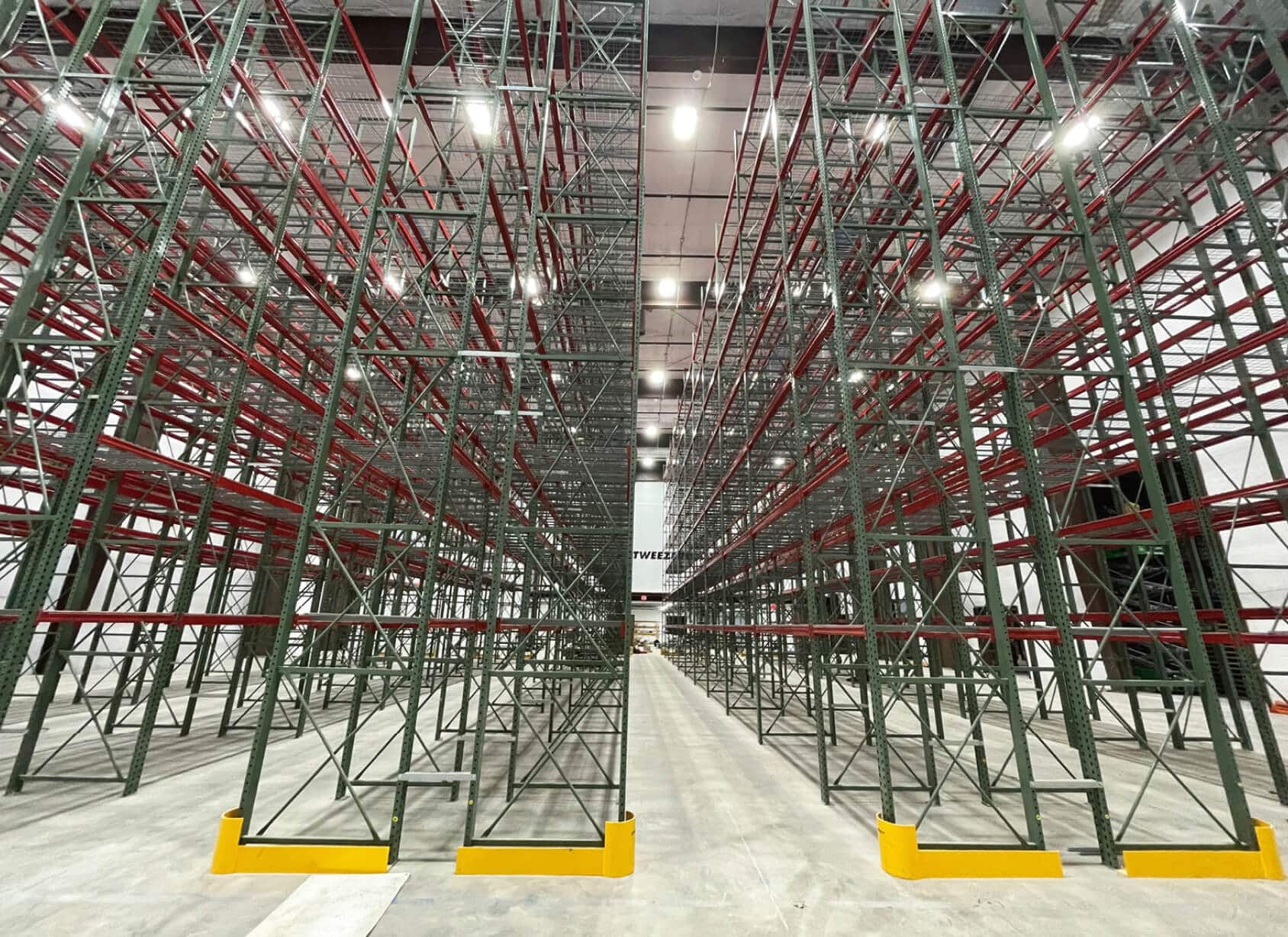
A tailwind for growth.

With a new warehouse and administrative building, the Zwilling Beauty Group division in the U.S. is strengthening the operational foundation of its TWEEZERMAN brand.

A strong signal to the market.

The abcfinance business unit has continued to accelerate its transformation efforts, with a strategic focus on efficiency and customer value.

New momentum in step with the market.

The Bank11 business unit is bringing together expertise and know-how into a new unit so that it can translate future trends into digital offerings even more quickly going forward.

The Pillars of Our Success.

Diversified

Versatile

Focused

From the very beginning, Werhahn has not limited itself to a single line of business but has always been active in various sectors. Diversification, with the goal of balancing risks across business activities, remains a guiding principle to this day. It is a principle that has proven its worth time and again over the course of nearly two centuries—especially during times of political and economic turmoil.

Engagement in various business activities requires a thorough examination of the business potential of each division. For this reason, the business portfolio is reviewed on a regular basis.
In all our business activities, our customers’ needs are at the heart of everything we do. Early identification of trends and opportunities for innovation and growth plays a central role in shaping developments and thereby achieving and maintaining a leading position in changing markets.

Werhahn has chosen to focus on its business activities, which it pursues with dedication and passion in an entrepreneurial spirit. In doing so, we take particular care to ensure that these activities are in line with our social responsibility and that we can develop them in a sustainable manner.

A company for entrepreneurs.

Organized on a decentralized basis, our corporate divisions operate independently—while adhering to internal and external standards, guidelines, and laws. Flat hierarchies enable quick decision-making and genuine customer focus. With their expert knowledge, the employees of Wilh. Werhahn KG advise and support the Management Board and the corporate divisions. Managers and employees alike act as “entrepreneurs within the company” and share responsibility for its success.

Eingangsbereich der Unternehmenszentrale von Werhahn

Our Values.

We bring visions together. With an entrepreneurial spirit. Creating value.

  • Person blickt aus einem Bürofenster auf die Stadt

    Forward-Looking Entrepreneurship

    Entrepreneurship shapes our culture. Our employees take initiative, are open to change and new perspectives—so that we can continue to grow as a group.

  • Gänseblümchen auf einer Wiese im Abendlicht

    Personal Modesty

    Corporate interests take precedence over individual interests. We remain pragmatic and focused on the facts, use resources wisely, and engage with the outside world only when it creates clear added value.


  • Kind hält die Hand eines Erwachsenen bei Sonnenuntergang

    Long-Term Responsibility

    We operate with a long-term perspective, responsibly, and in partnership with others. Trust, fairness, and the ability to balance family and career are central to our identity. We actively support social engagement.

  • Fels im Wasser mit brechenden Wellen

    Expert Reliability

    We stand for ethical and reliable conduct. We make decisions transparently and promptly. We keep our word. We consistently lead projects to success—and communicate changes early on.

  • Schwarmverhalten und Vernetzung

    Family Ties

    As a family-owned business, we operate with a long-term perspective and in the best interests of our shareholders. They provide stability and support for our work—and form the foundation of a name that brings people together.

Creating value—with responsibility.

Throughout its 185-year history, Werhahn has always looked beyond the present and focused its business activities on long-term growth. Sustainability is embedded in our corporate strategy and encompasses both environmental and social goals—from protecting the natural resources on which life depends to social engagement. In this way, we create value for generations to come—in harmony with people and the environment.

Klarer See in einer natürlichen Landschaft

Our Company History.

Since

1841

Peter Wilhelm Werhahn’s founding of the company marked the beginning of a business history that was broadly diversified from the very start: in addition to the timber trade, the company dealt in agricultural products, basalt, tuff and bricks, guano fertilizer, and cement. Shaped from the outset by the Werhahn family in Neuss, the company was converted into a general partnership after the founder’s death and was jointly managed by his three heirs. In 1977, Werhahn became a limited partnership (KG).

1871

A significant step in development began in 1871 with the establishment of the milling industry. It was during this period that the Werhahn & Nauen oil mill was founded, laying the foundation for future expansion. Just two years later, in 1873, another important milestone was reached with the acquisition of the Nix & Cie flour mill. This company marked the origin of the later baking products division and played a key role in shaping the strategic direction.

1880

By establishing various property management companies, Werhahn expanded his business to include financial and real estate activities—thereby laying the foundation for today’s Haus & Grund branch of Wilh. Werhahn KG.

1888

The founding of Basalt-Actien-Gesellschaft in 1888 marked the beginning of what is now the Natural Stone division—another important milestone in the company’s early diversification.

1894

In 1894, Werhahn began his involvement in the Rhineland lignite industry by founding the Horremer Brikettfabrik, which remained in operation until 1969. At the same time, the company entered the slate production business by acquiring shares in Rathscheck—the origin of today’s Slate division. In 1909, Werhahn finally acquired all of the shares.

1904

In 1904, the Wilh. Werhahn company received official recognition as a banking institution—the starting point for today’s Bankhaus Werhahn.

1906

In 1906, the company entered the Central German lignite industry, thereby further expanding its activities in the energy sector. The acquisition of the Senftenberg coal mines laid the foundation for this venture. After World War II, the mines were seized by the Red Army in 1945 and were ultimately expropriated in 1947 as a result of political developments.

1908

Since 1908, the expansion of the food industry has been systematically pursued. The acquisition of the Schweizerhof dairy in 1908 and the C. Bolle dairy in 1917 laid the first important foundations. In the decades that followed, the business division was further expanded through the acquisition of Georg Schätzlein GmbH in 1929 and Schade & Füllgrabe AG in 1936. Finally, in 1987, the entire food division was sold, marking a strategic realignment of the company.

1920

In the 1920s and 1930s, extensive modernization and restructuring efforts were at the heart of the company’s development. Across all business units, existing structures were adapted, processes were optimized, and the organization was strategically refined to meet the changing economic conditions and strengthen competitiveness in the long term.

1945

In 1945, the collapse resulting from World War II marked a profound turning point in the company’s development. While all business operations in the east came to a standstill due to the loss of the lignite plants and mines as well as the Schade & Füllgrabe grocery stores, Werhahn invested substantial funds in the west to rebuild its existing business divisions, thereby laying the foundation for a renewed economic upswing.

1966

The signing of the first articles of incorporation established an important formal framework for the company’s future development. Another significant strategic step was the acquisition of a majority stake in ZWILLING J.A. Henckels AG, which is considered the birth of today’s Consumer Goods Division. With the acquisition of the remaining shares in 1971, this investment was systematically expanded and fully integrated into the corporate structure.

1969

The acquisition of abc-Bank marked another key milestone in the company’s development. This acquisition laid the foundation for today’s abcfinance division and marked the company’s entry into the financial services sector, which has been continuously expanded ever since.

1978

In 1978, a significant step was taken to strengthen the natural stone division: Wilh. Werhahn KG became the sole owner of Basalt AG. With this complete acquisition, the company was able to further solidify its position in this segment and drive forward its strategic development in a targeted manner.

1988

In 1988, several landmark decisions were made that had a lasting impact on the company’s future development. The acquisition of a majority stake in the milling company Georg Plange GmbH & Co., known for its Diamant Mehl brand, specifically strengthened the company’s position in the milling industry. At the same time, the company acquired AKB Bank, whose highly successful business performance ultimately led to its sale to the Spanish bank Santander Central Hispano in 2002. In addition, the banking business—including the real estate branch—was reorganized and spun off into the newly founded Bankhaus Werhahn KG.

1996

In 1996, the acquisition of a majority stake in DEUTAG marked another strategic step in the Natural Stone business unit. This investment specifically expanded the portfolio to include asphalt production. With the complete acquisition in 2006, DEUTAG ultimately became wholly owned by Werhahn, thereby sustainably strengthening the company’s market position in this segment.

2002

In 2002, the company made a targeted expansion of its building materials operations. Through the purchase of Tendis GmbH & Co. KG and the acquisition of shares in Deutsche Asphalt GmbH—both subsidiaries of Philipp Holzmann AG—the company strengthened its position in this segment and further expanded its expertise in the field of building materials production.

2005

In 2005, another significant step was taken in the expansion of the building materials business with the so-called Schmidt acquisition. By acquiring the construction and building materials division of the Dr. Schmidt Group, the company was able to further strengthen its market position in this sector and expand its service portfolio in a targeted manner.

2008

In 2008, the systematic expansion of the Consumer Goods division was consistently pursued. The Kitchen segment was strategically expanded with the acquisition of cookware manufacturers Staub and Demeyere. At the same time, the Beauty segment grew through the acquisitions of Tweezerman in 2004, alessandro International in 2012, and the Chinese QVS Group in 2013. In addition, the 2007 acquisition of Tondeo, together with Jaguar, established the Hair Salon Supplies division and further rounded out the portfolio in this segment.

2010

In 2010, the abcfinance division began to experience dynamic growth, driven largely by strategic acquisitions. By 2015, a total of ten acquisitions had been completed in the leasing sector and five more in factoring, which significantly strengthened the company’s market position and allowed for a targeted expansion of its service portfolio.

2011

In 2011, the founding of Bank11 marked another milestone in the expansion of financial services. The bank, which specializes in purchase and sales financing for the automotive trade, together with abcfinance, forms today’s Financial Services division. With the acquisition in 2013, this commitment was further consolidated and strategically expanded.

2014

In 2014, the company sold its milling operations, which had previously been consolidated within the Premium Mühlen Group. With this move, Wilh. Werhahn KG largely divested itself of its baking products division and realigned its strategic focus accordingly.

2015

In 2015, the Consumer Goods division was further strengthened through a targeted acquisition. With the acquisition of the Italian company Ballarini, the Kitchen division was able to expand its product range in the strategically important segment of nonstick cookware and further strengthen its market position.

2016

In 2016, the company celebrated its 175th anniversary and, at the same time, gave fresh impetus to its strategic development. With the latest expansion of its brand portfolio, the Zwilling Küche division entered the growth market for BBQ and outdoor kitchens through the acquisition of Santos Grills and Flammkraft, thereby tapping into additional potential in a dynamic segment.

2021

In 2021, United Salon Technologies underwent a change in ownership. As part of this process, Wilh. Werhahn KG sold its hair salon supplies division, which included the Jaguar and Tondeo brands, thereby further streamlining its portfolio.

2023

In 2023, the slate division was further expanded through the acquisition of Pizarras La Baña. With this new slate quarry in Spain, the company now has three production sites in the slate-producing region of Galicia in northern Spain, thereby strengthening its position in a key European market.

2026

With the acquisition of a majority stake in Grandemar S.A., one of Romania’s leading manufacturers of building materials, the Natural Stone Division has secured access to one of the most economically attractive markets for infrastructure construction in the EU.

Kind im Freien als Symbol für Nachhaltigkeit und Zukunft

Committed to the generations of today and tomorrow.

We create opportunities for the next generation. By promoting education, entrepreneurship, and social responsibility, we help young people reach their full potential.

Werhahn Banking House

The private bank.

Werhahn Bank holds a full banking license but does not engage in market-oriented activities. With a specialized team, it offers a wide range of services. These include domestic and international payment transactions, securities and custody account transactions, credit and debit card services, online banking for shareholders, providing liquidity to group companies, and financing the group’s investments.

Außenansicht des Firmengebäudes der Werhahn Gruppe

Customer-focused, market-oriented, medium-sized.

The companies of the Werhahn Group operate worldwide. They hold leading positions in their respective markets—characterized by a strong focus on customer needs and compelling products and services.

Wilh. Werhahn KG – Connections Build Trust.

Get in touch with us and send
us a message.

Mitarbeiterin von Werhahn bei einem Telefongespräch im Kundenservice